
News
Pilsen honored the memory of those who fell during the liberation and the May Uprising
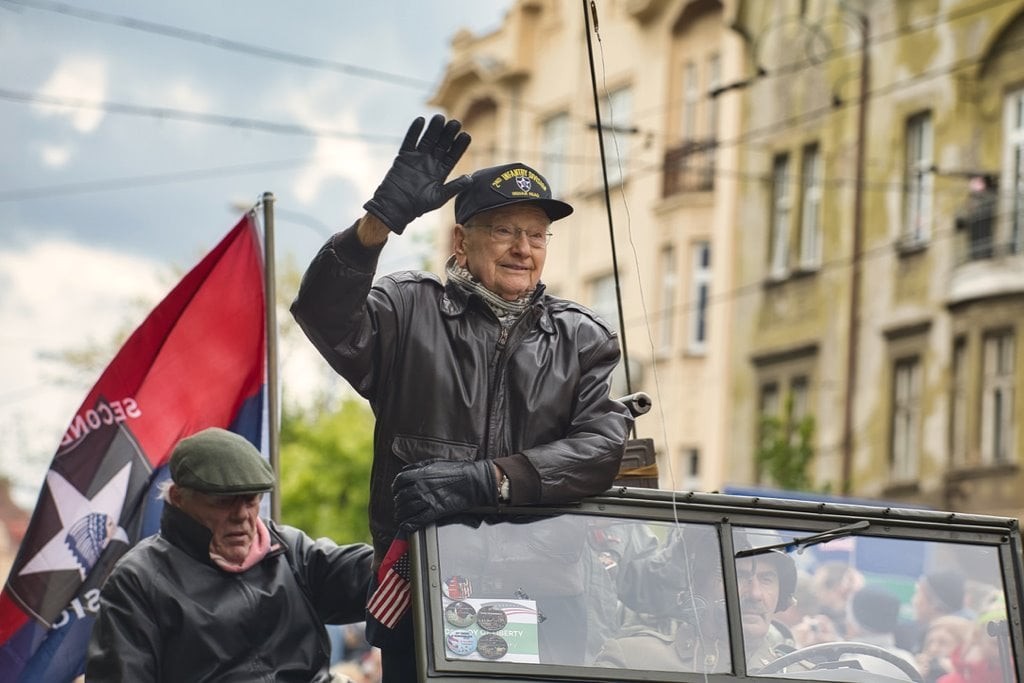
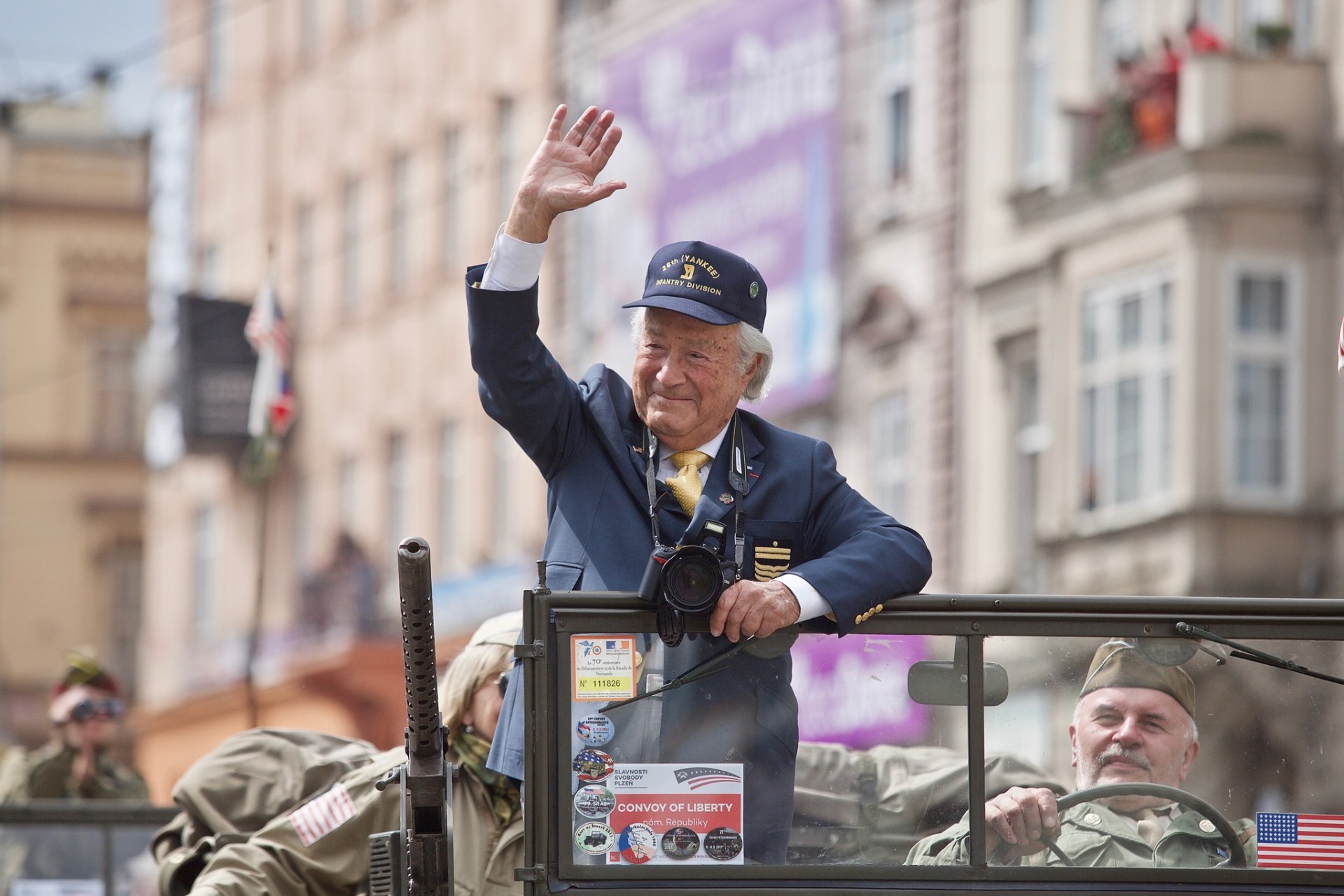
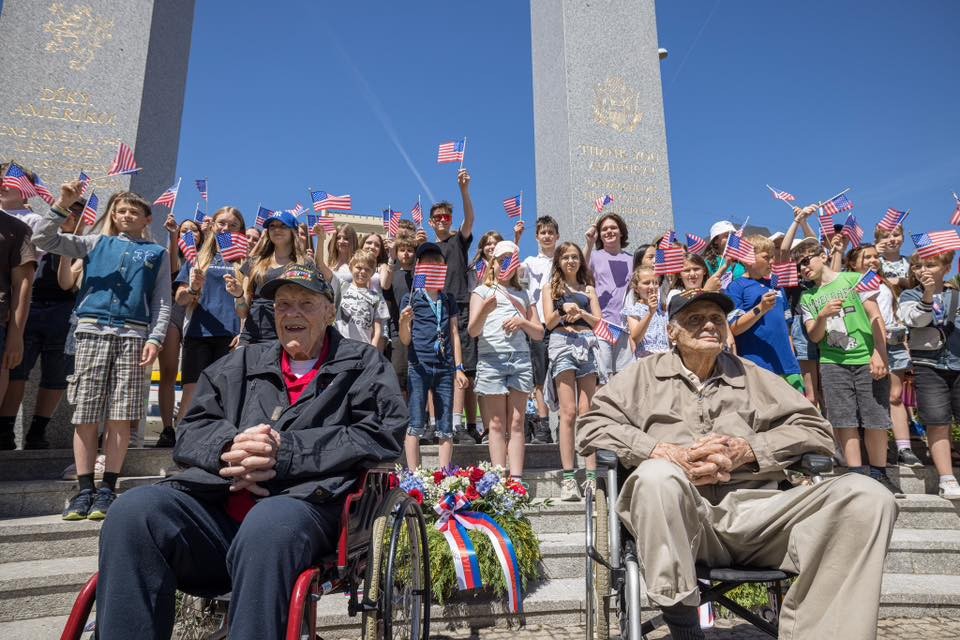
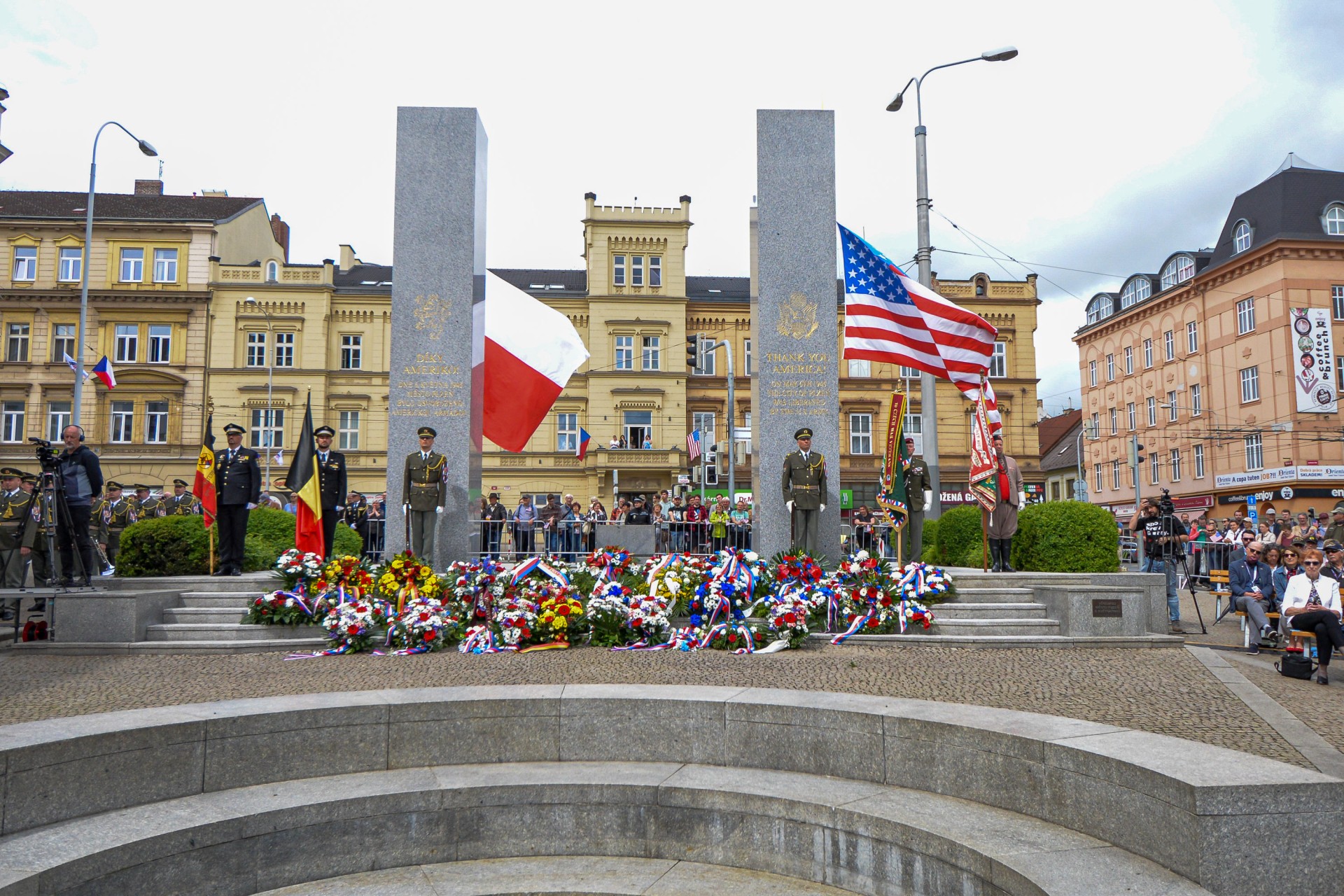
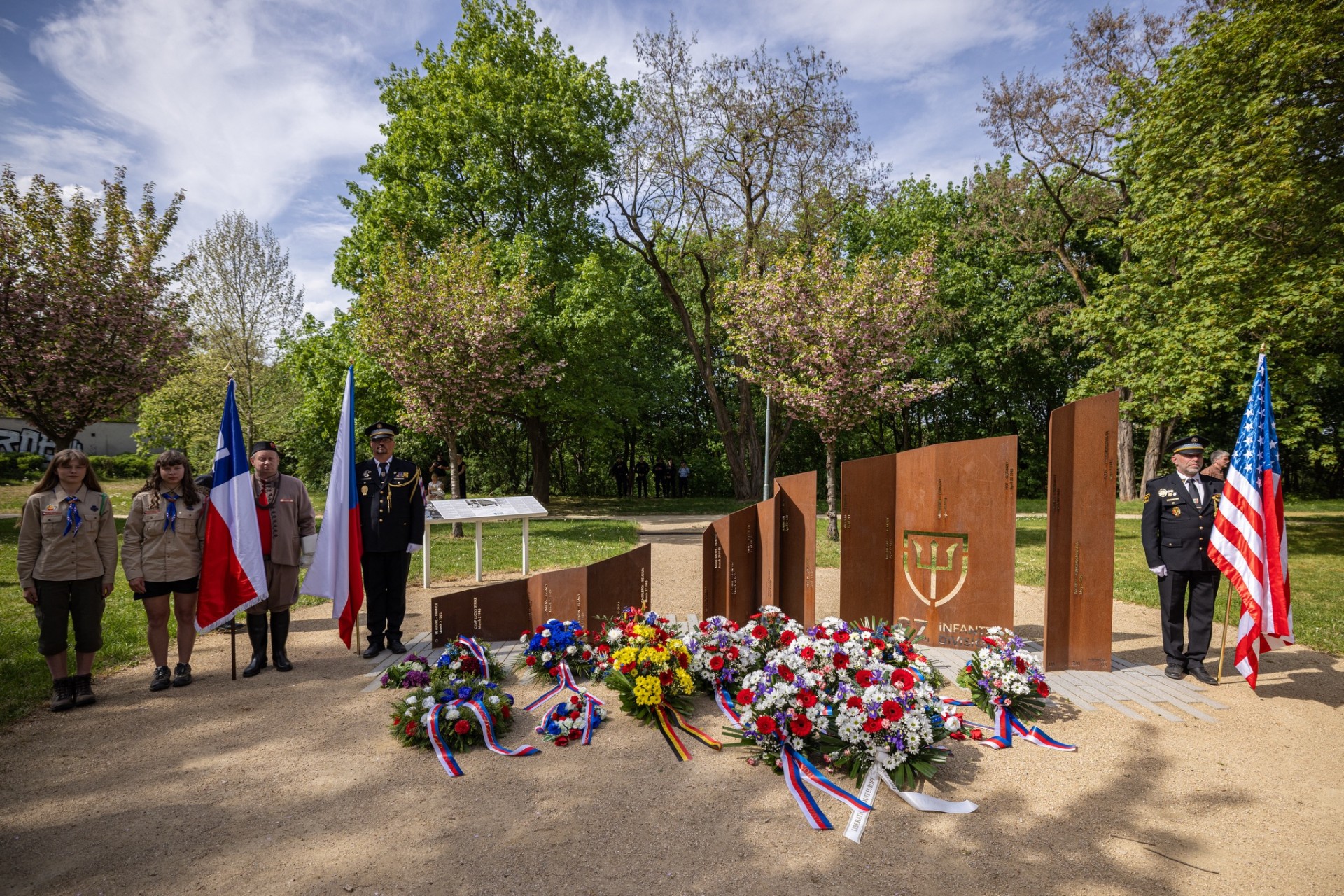
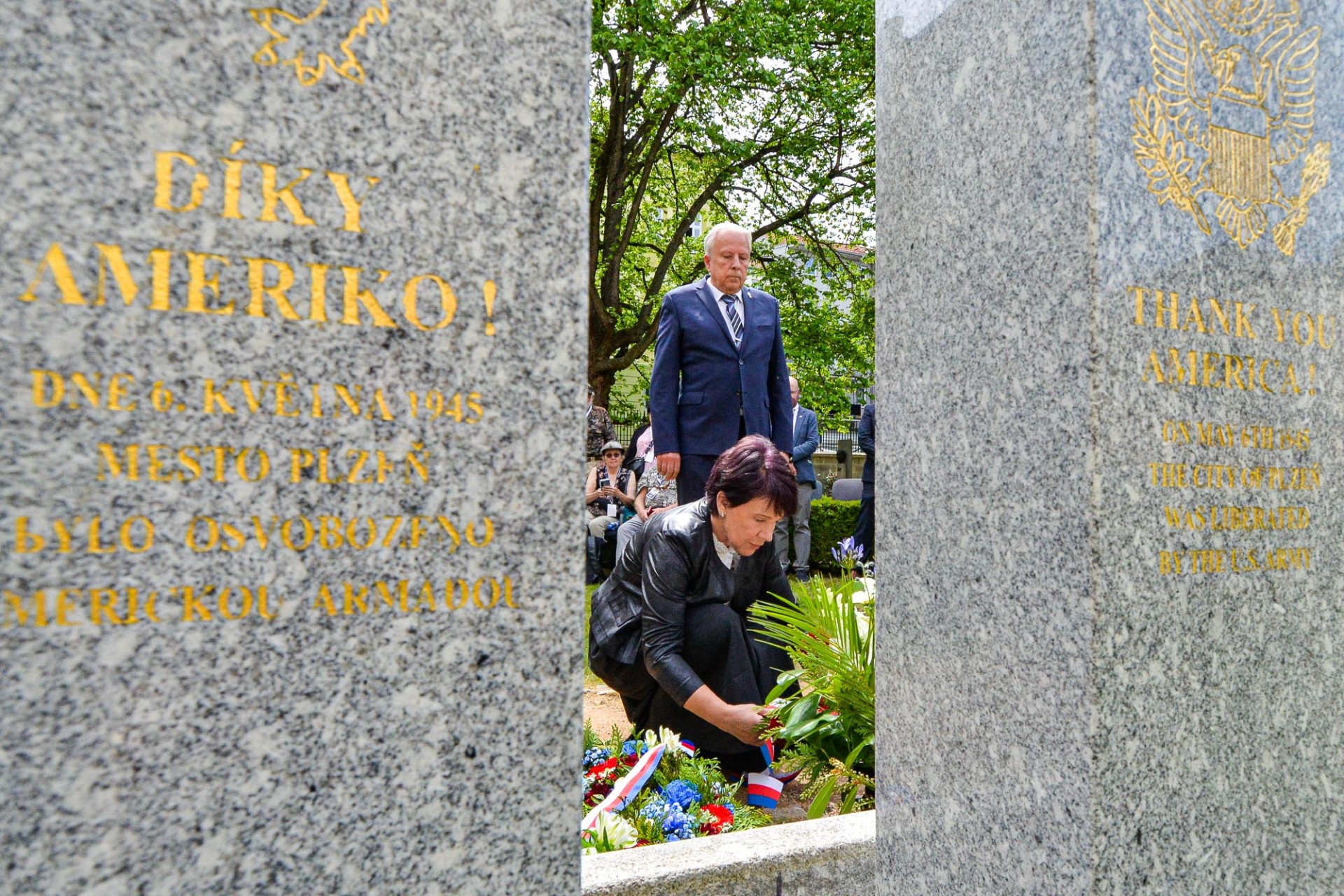
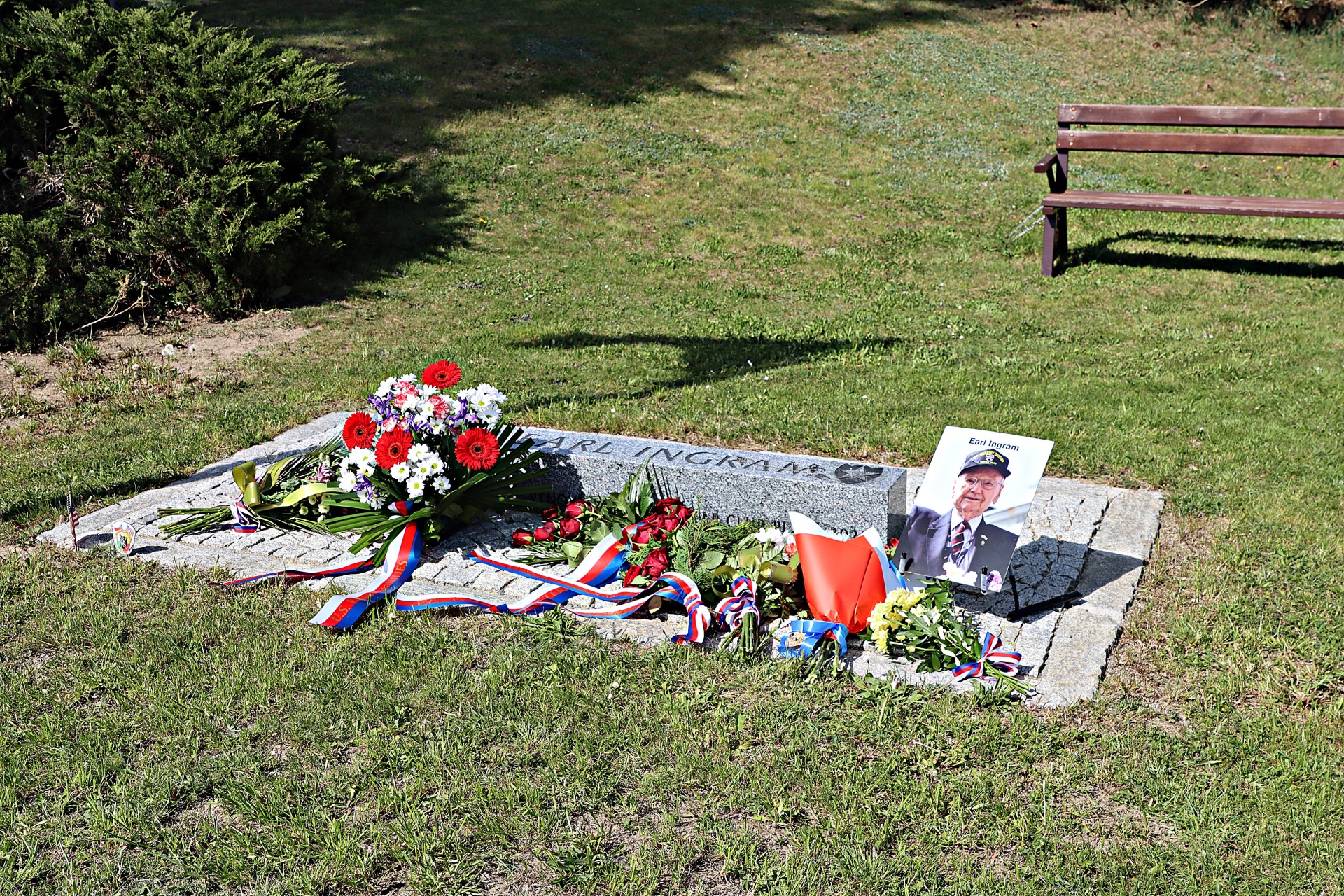
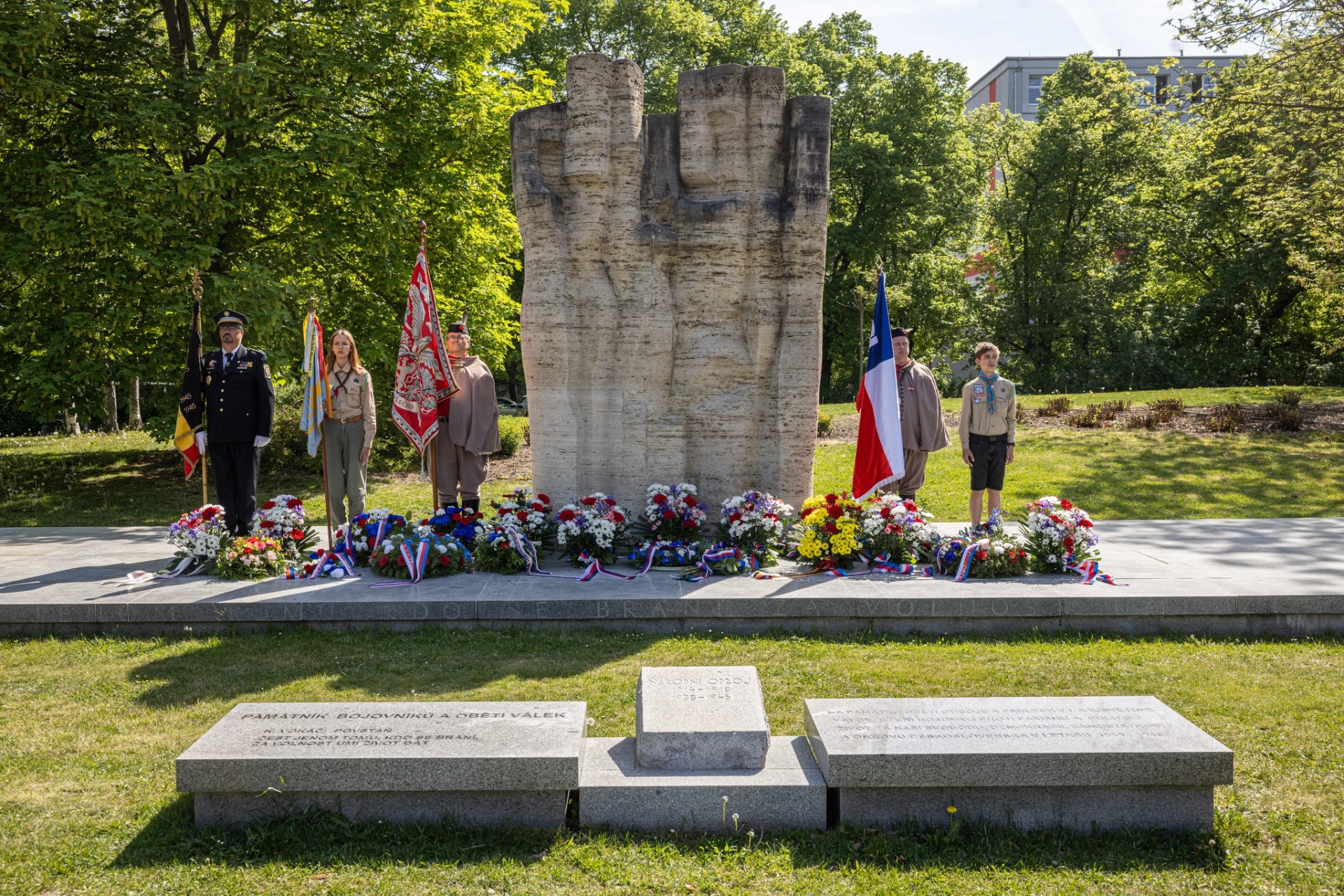
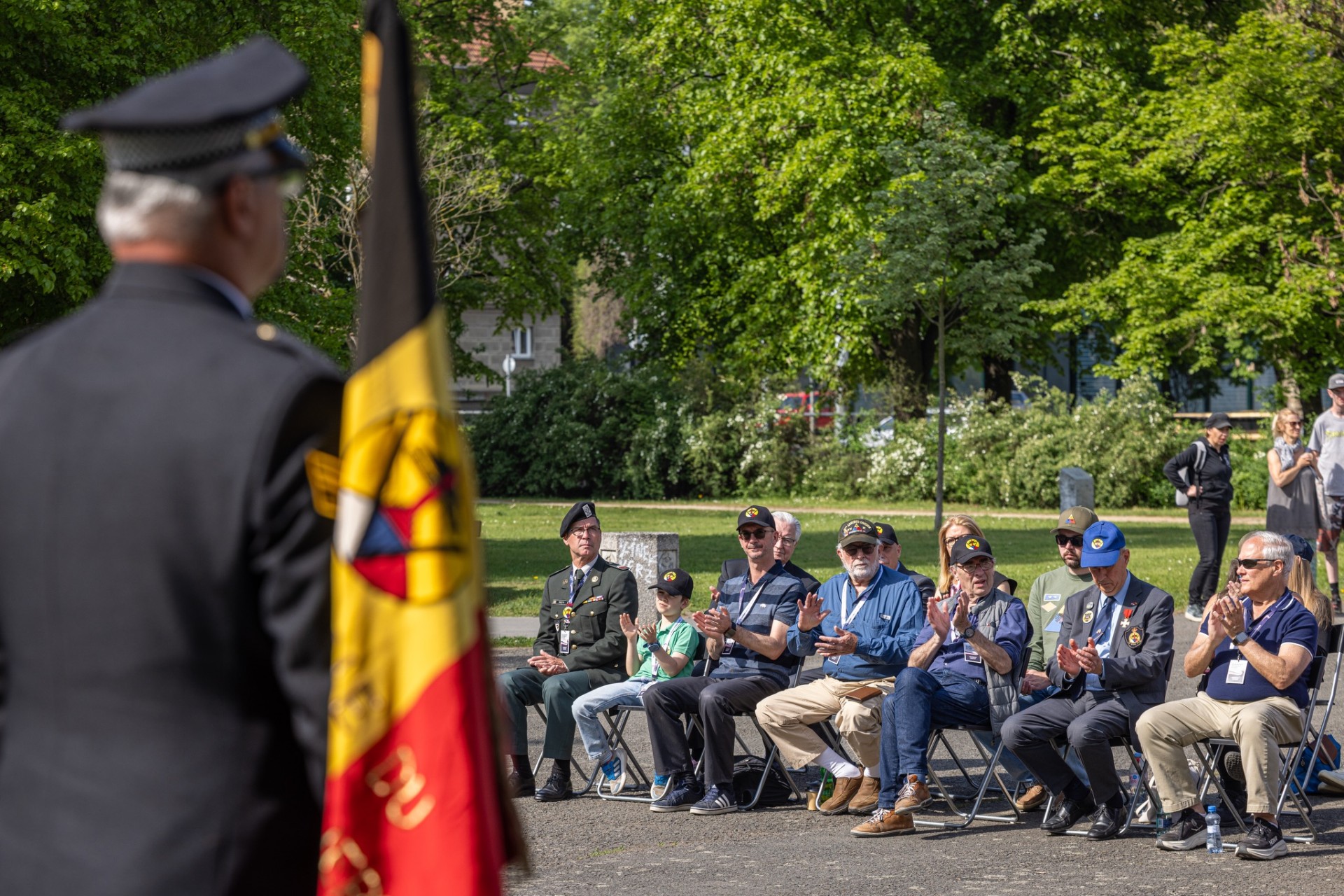
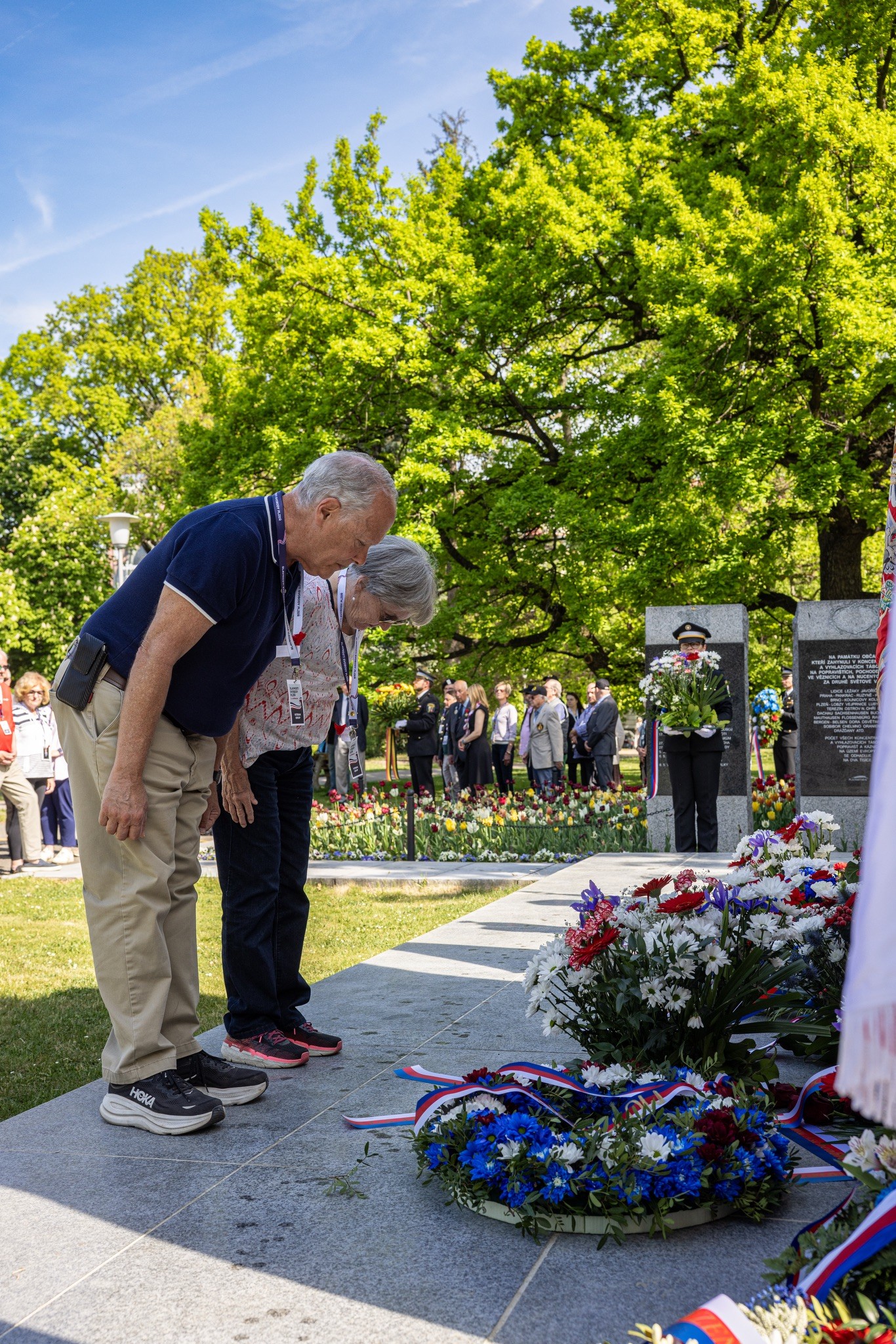
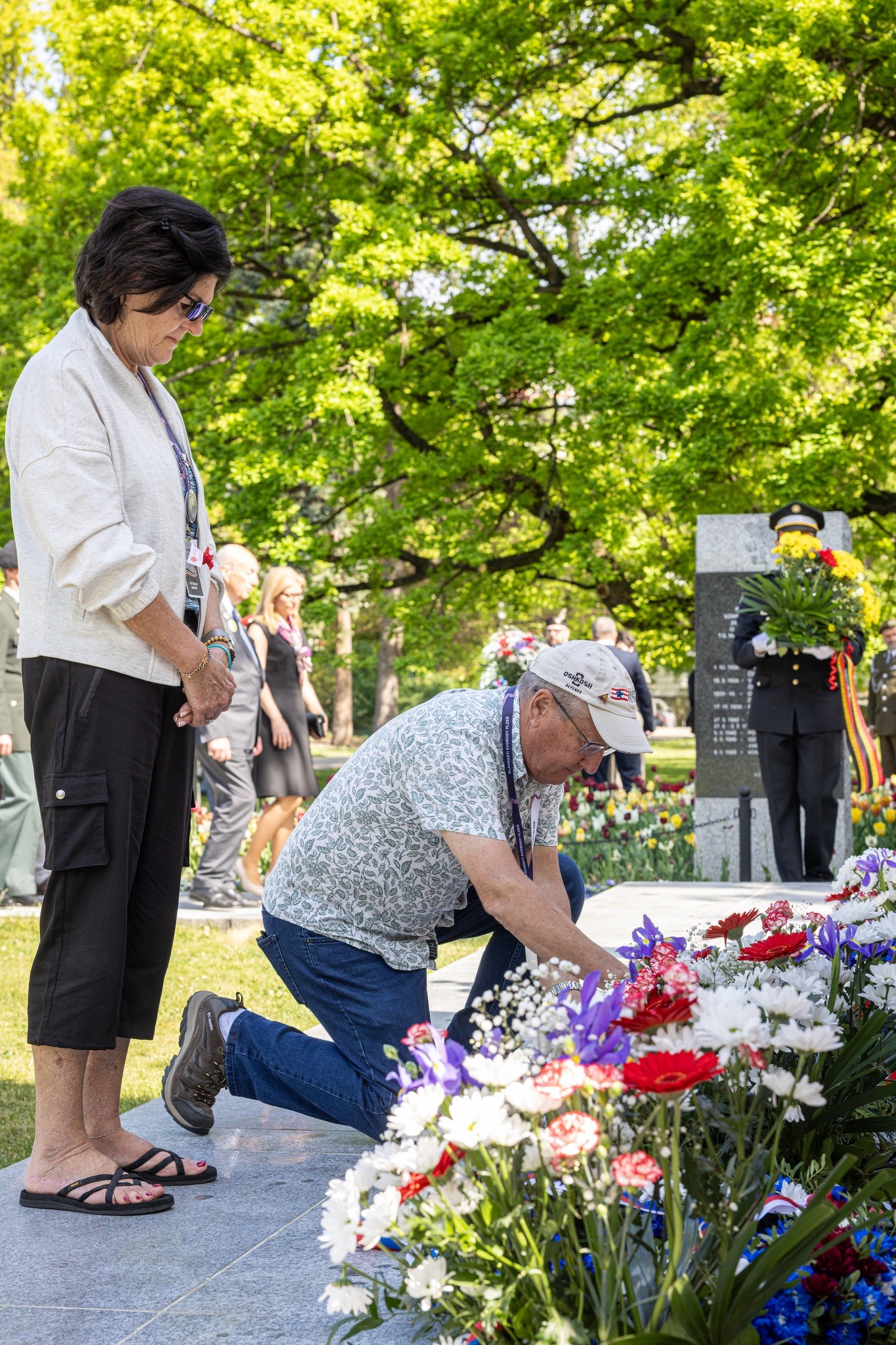
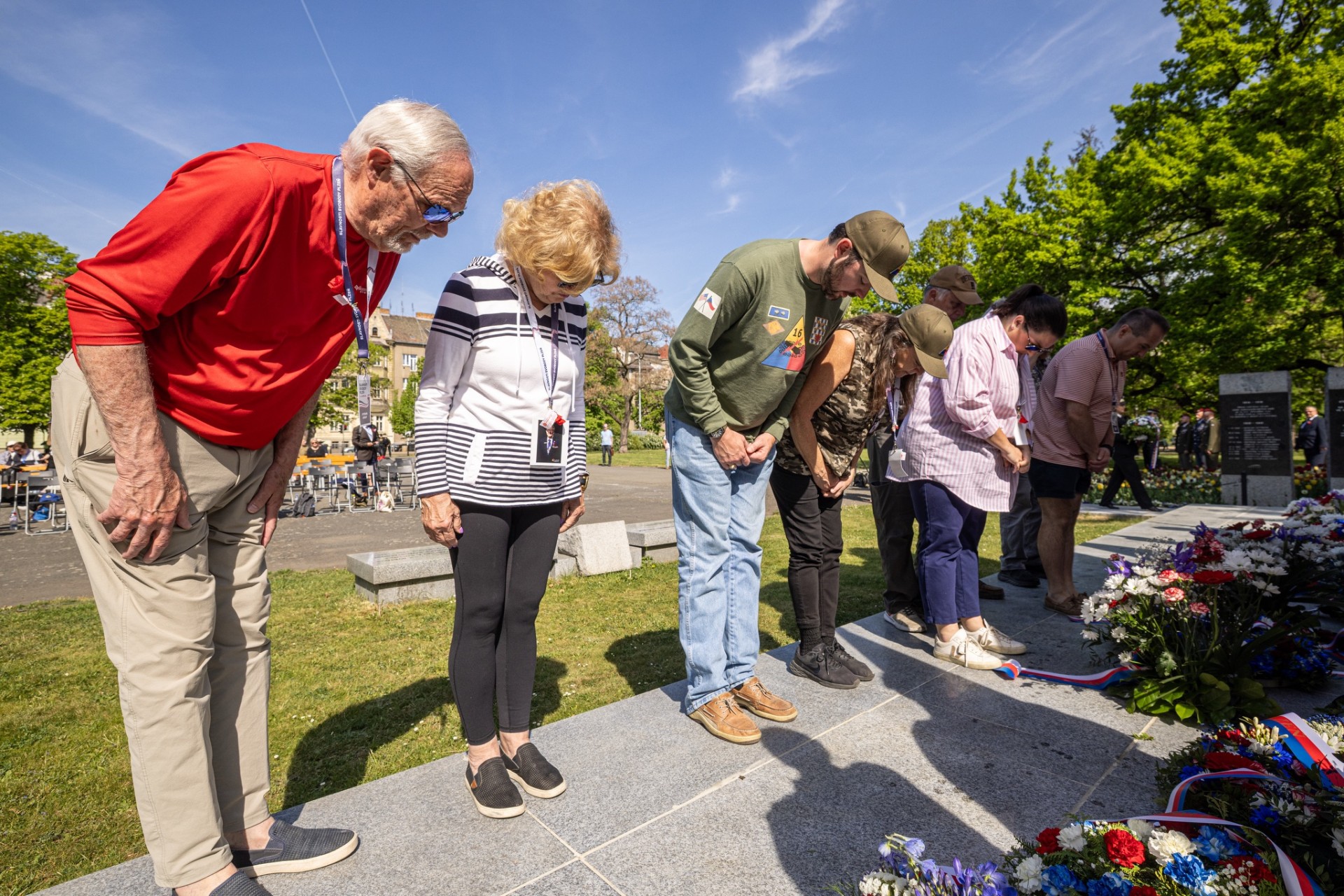
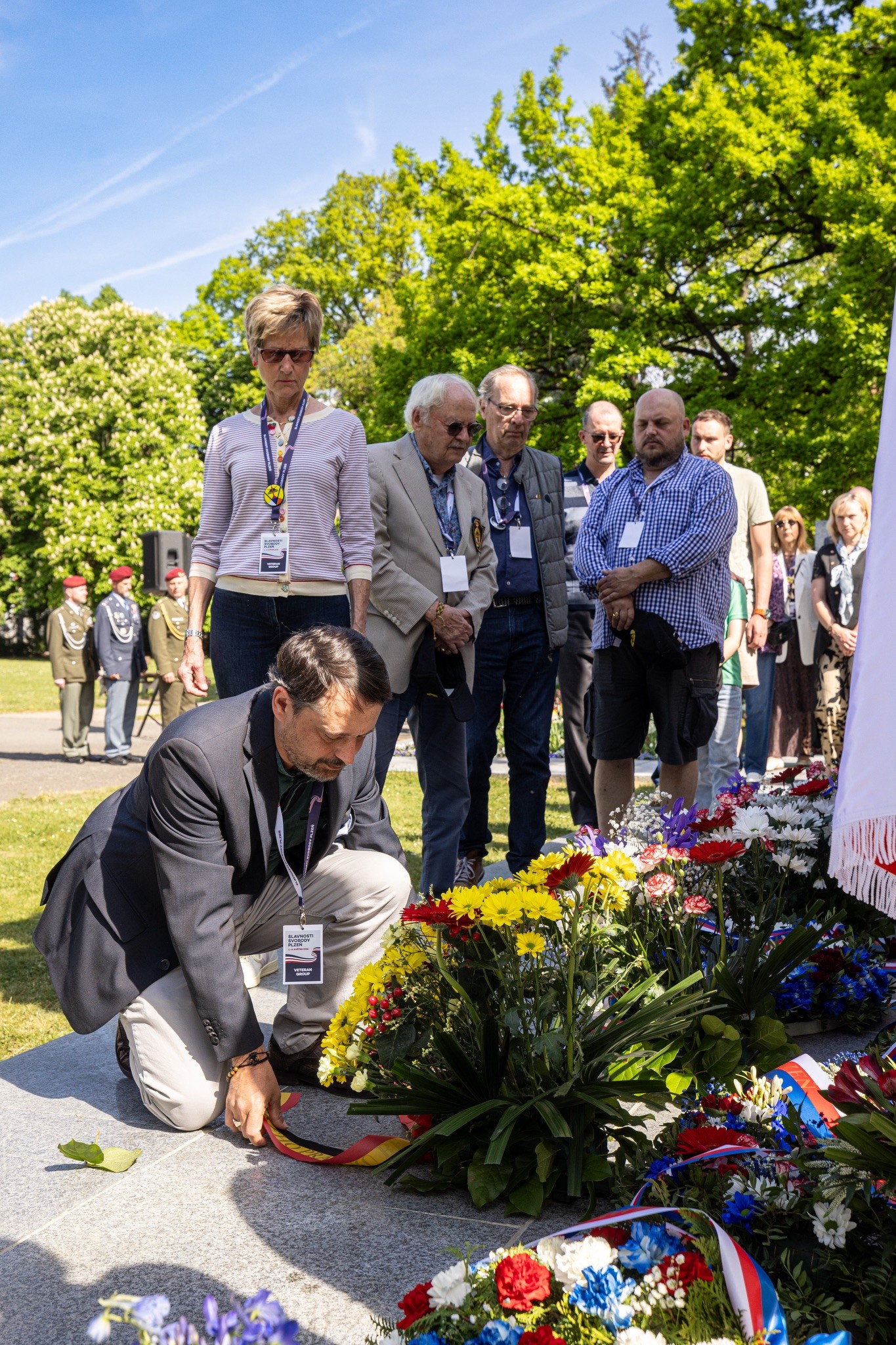
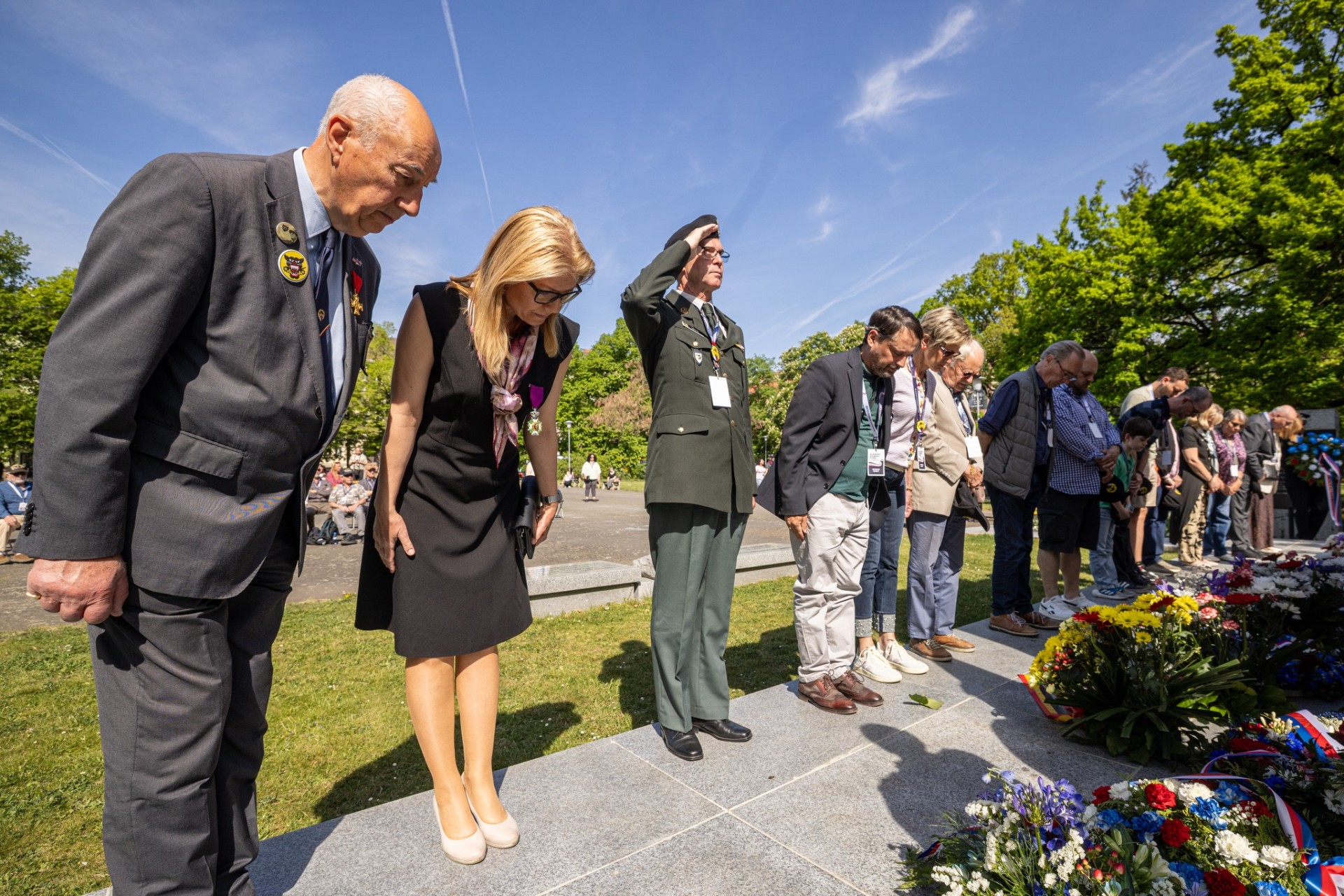
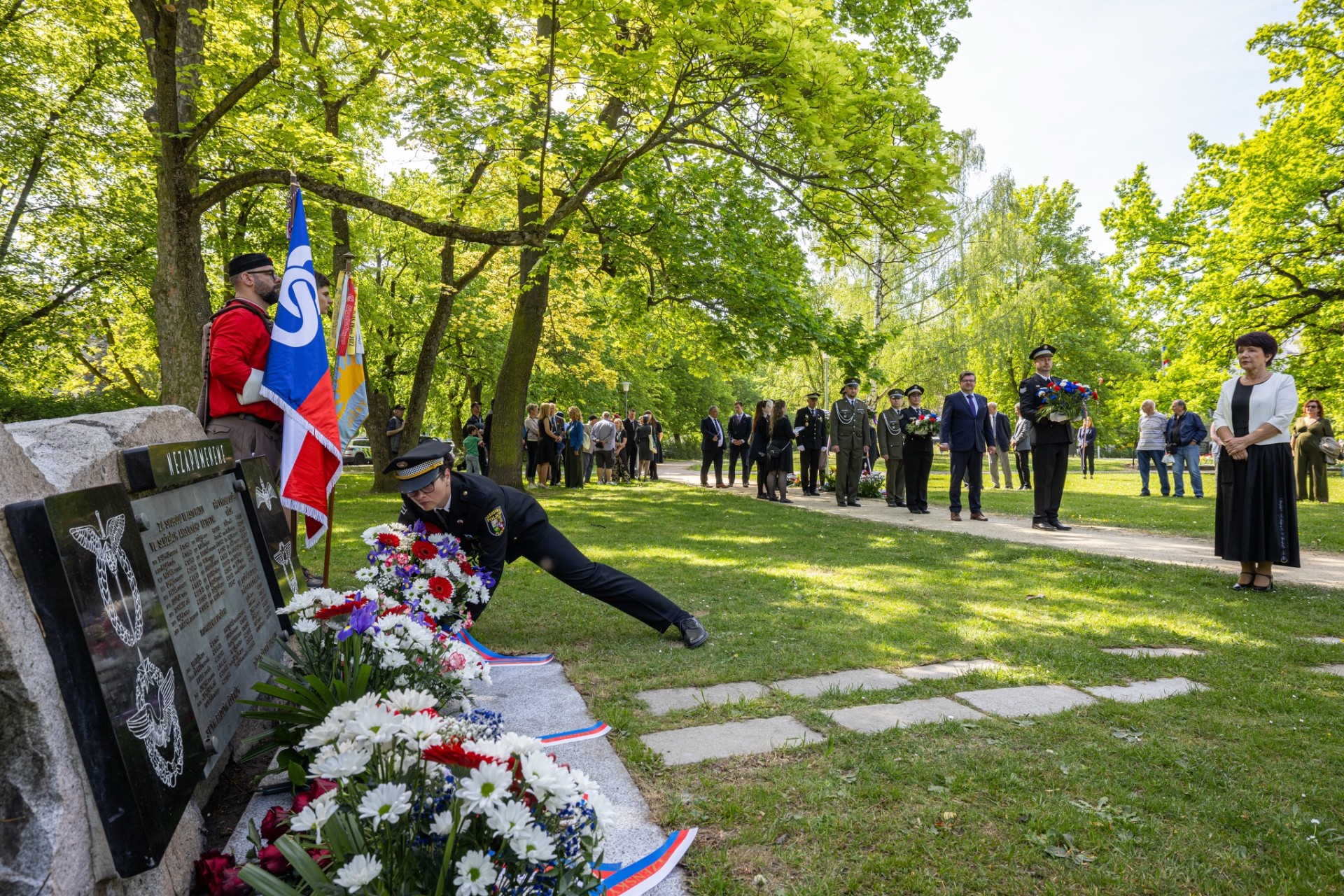
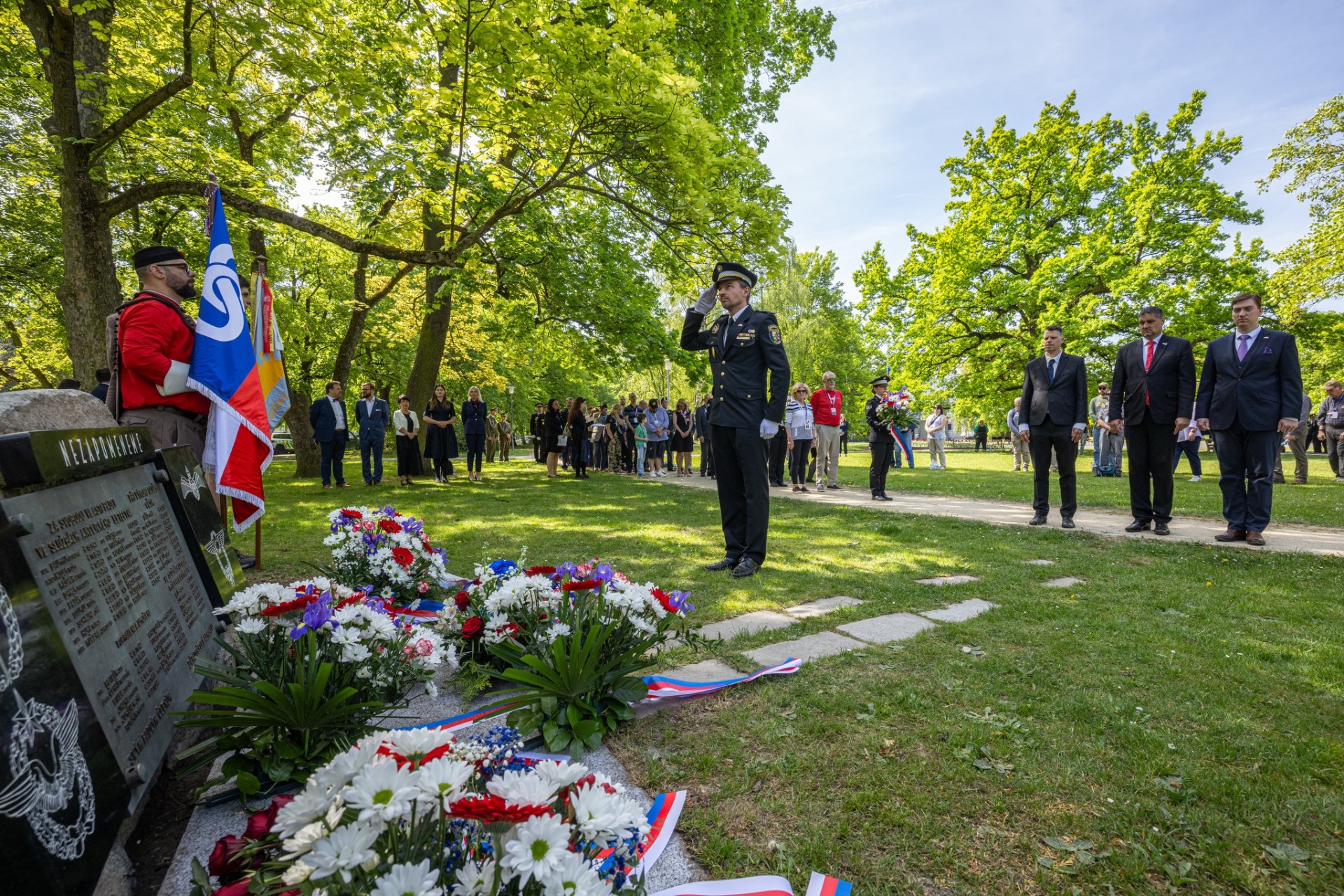
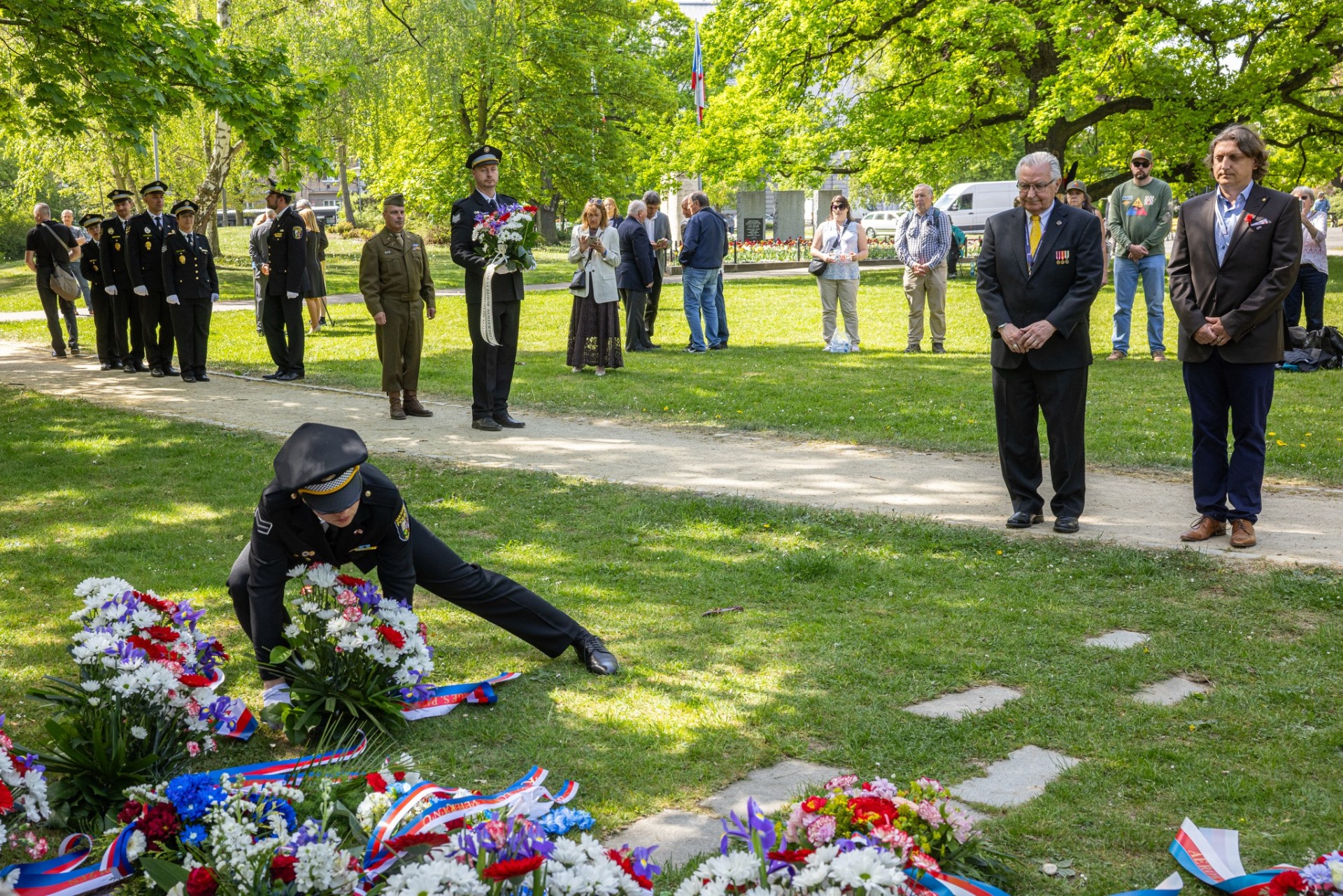
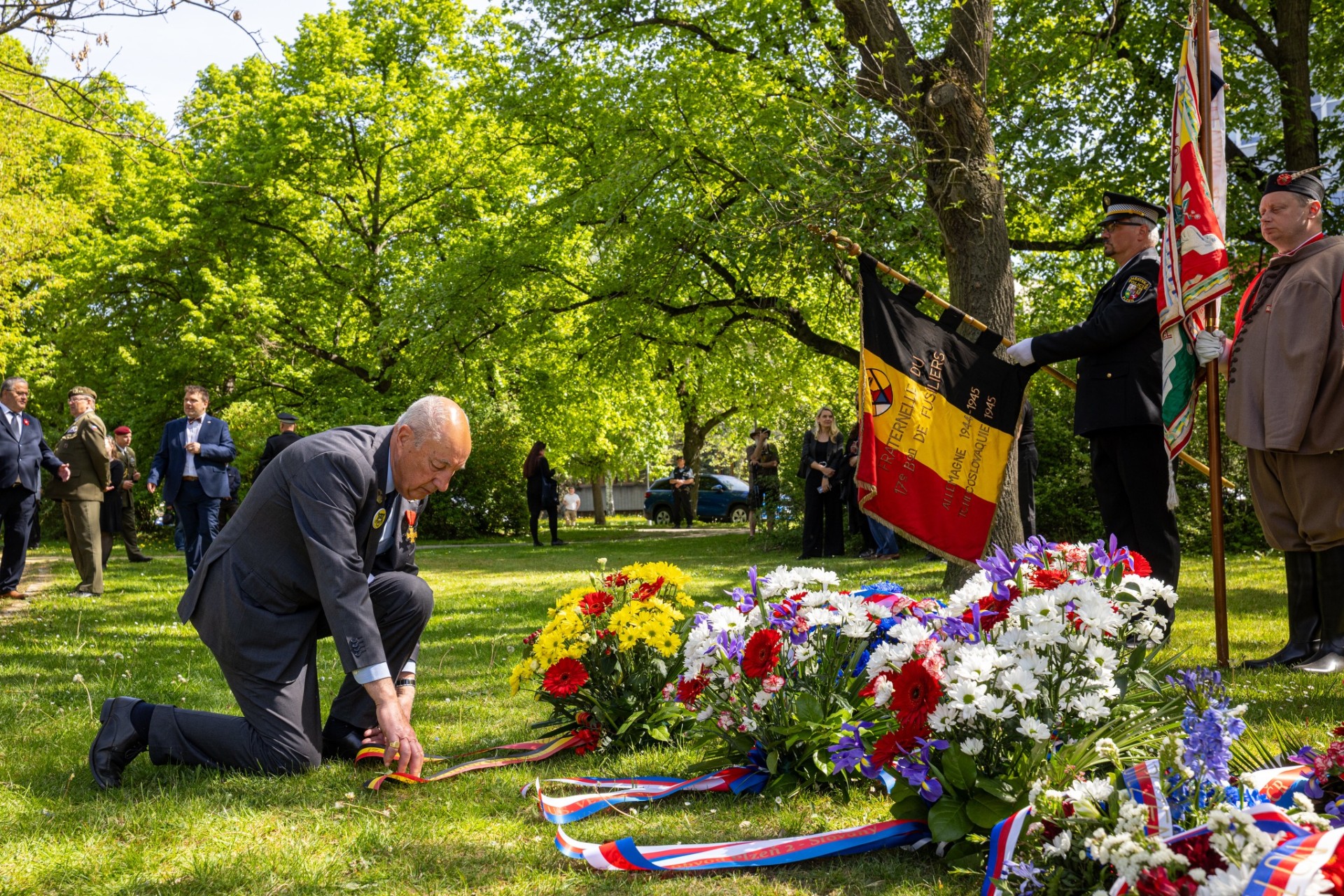
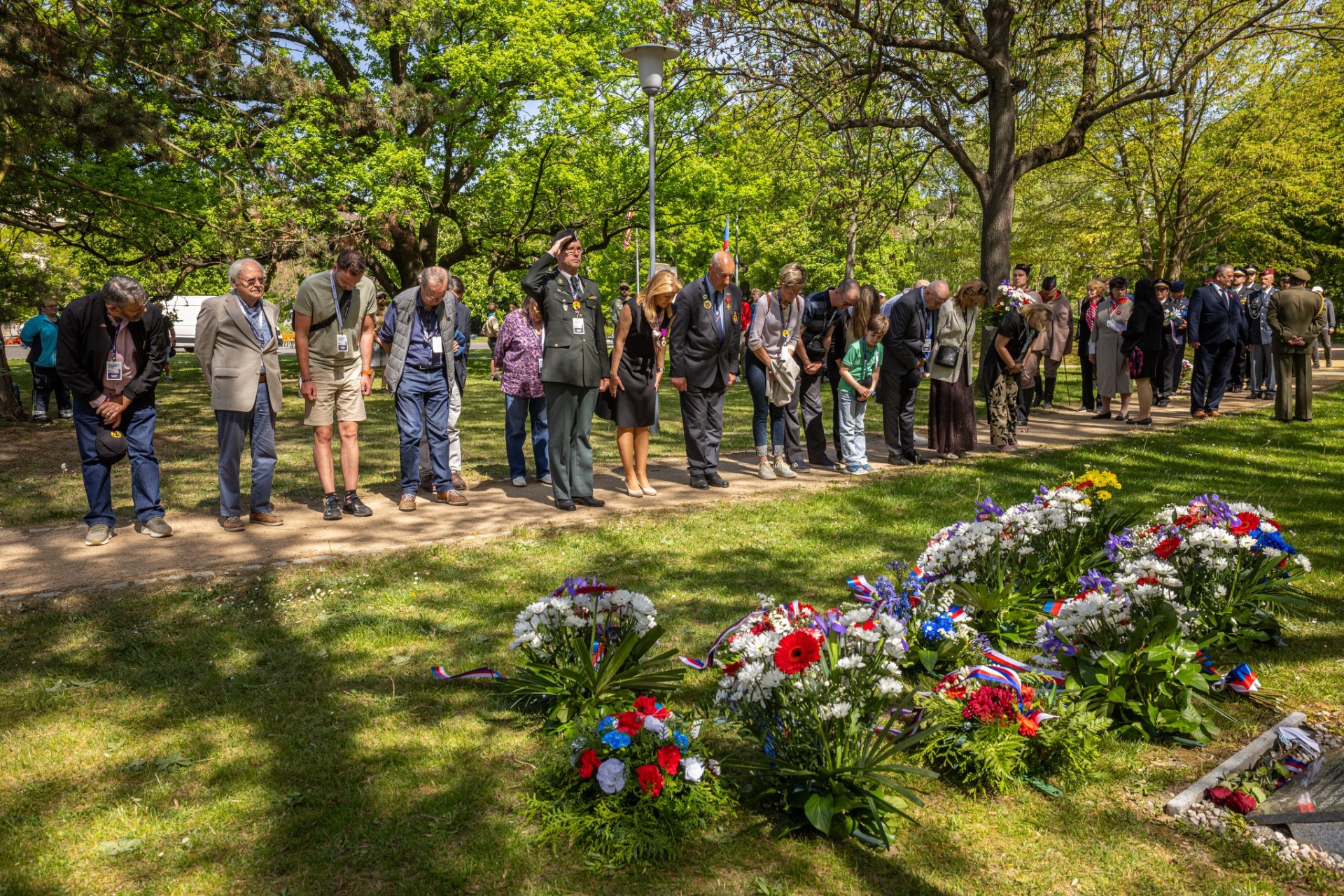
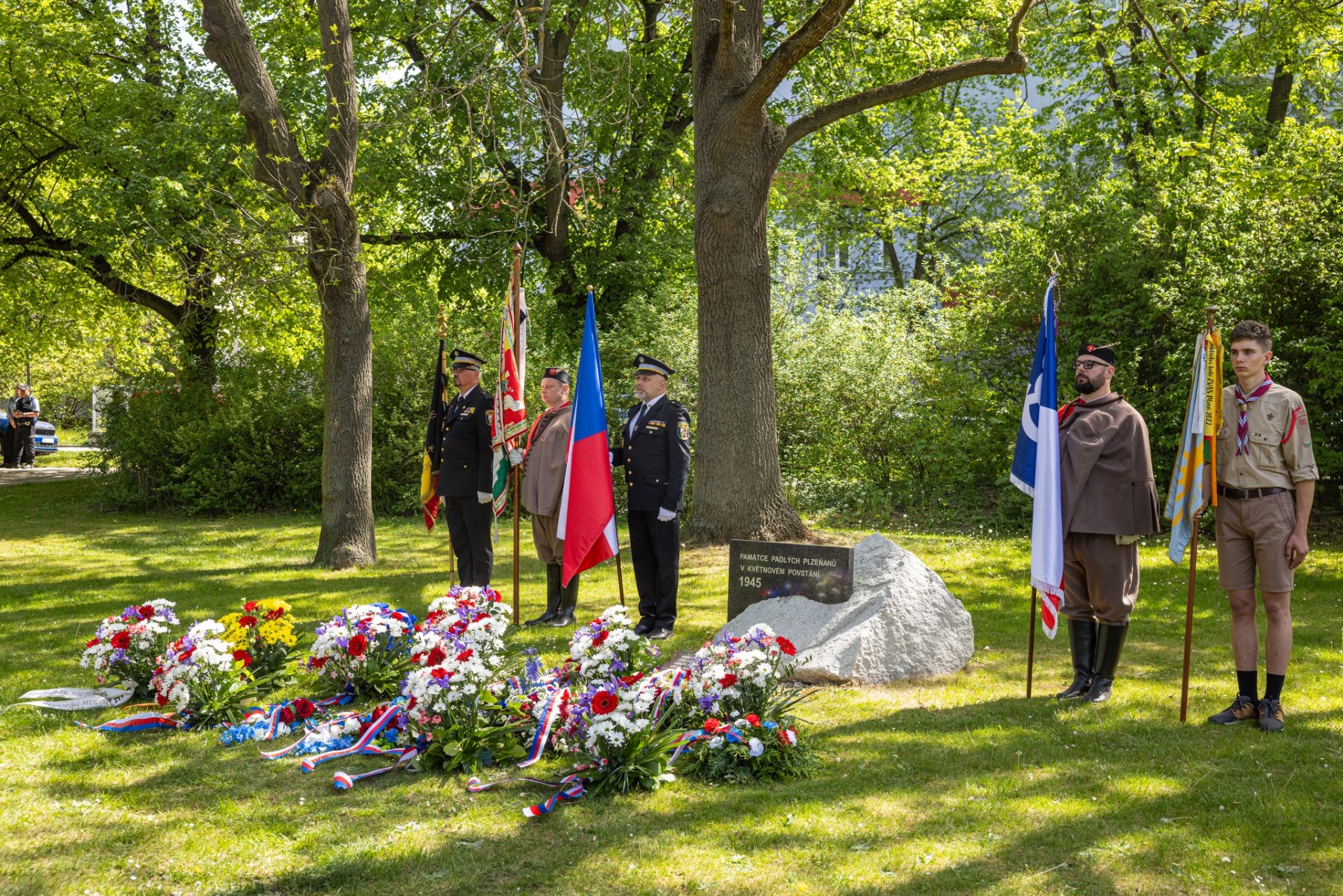
On Tuesday, May 5, 2026, Pilsen commemorated the soldiers who participated in the liberation of Western Bohemia, as well as the local residents who died during the May Uprising in 1945. The memorial service was held on Náměstí Míru with the participation of city representatives, public institutions and the general public. On behalf of the city of Pilsen, the councilor for culture and heritage preservation, Eliška Bartáková, participated in the memorial service. In her speech, she emphasized the importance of commemorating the victims who were made for freedom and democracy. She pointed out that freedom was not a matter of course, but was bought with courage, suffering and the lives of thousands of people. At the same time, she called for the protection of the legacy of the fallen and respect for every human life. The memorial service was part of the traditional Liberation Festival and attracts great public interest every year. In addition to city representatives, the event was also attended by representatives of the Parliament of the Czech Republic, the Pilsen Region, the University of West Bohemia in Pilsen, security forces, city districts, and various associations and organizations. Flowers were also laid at the monuments by descendants of American and Belgian veterans who participated in the liberation of Pilsen.
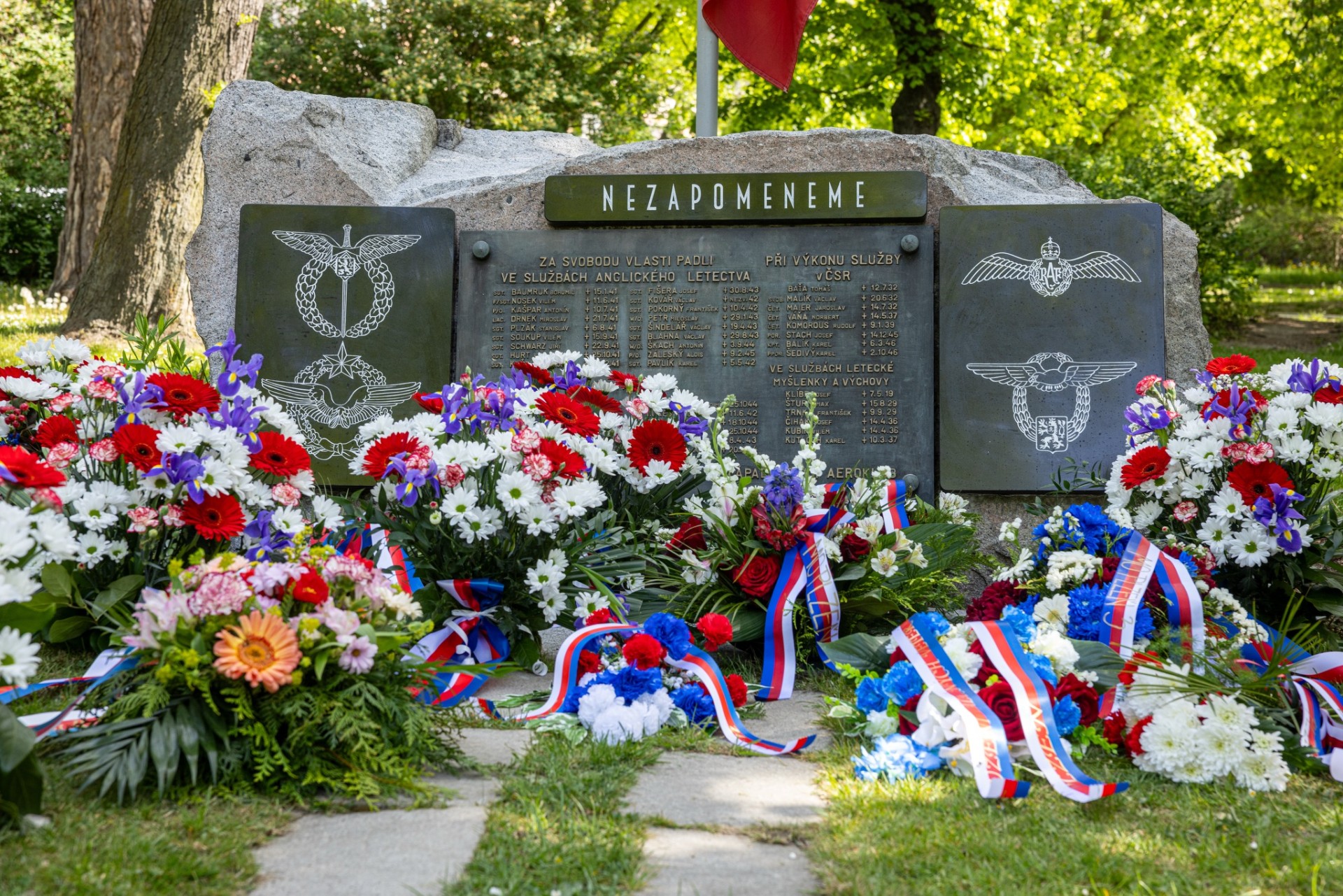
Náměstí Míru is an important place in the city's historical memory. There are three monuments here commemorating the victims of wars and the resistance. The dominant feature is the travertine sculpture People by sculptor Slavoj Nejdl from 1967, complemented by a granite pedestal with an inscription dedicated to the victims of the fight for freedom. Other monuments are the monument to Czechoslovak airmen from World War II, moved here in 1996, and the Memorial to the Fallen Pilsen Citizens in the May Uprising from 2016 by Jaroslav Šindelář. The memorial meeting once again reminded us that historical memory and respect for the victims of the past remain an important part of contemporary society.
Do you need any advice?
Don't miss important news